
 Hundreds of thousands of Americans with significant intellectual and developmental disabilities are on waitlists for services, often more than a decade long. They either lack support services entirely or only have them partially, inadequately, and ineffectively.
These precious intellectually disabled Americans are part of every demographic population, including every racial and ethnic group. They are Black, Latino/Hispanic, Asian, Indigenous, Middle Eastern, biracial, multiracial, and white—every such identity designation. They are part of every gender and sexual identity group, both heteronormative and diverse. They live in every geographic region, every state, and every local community. They are born in families of every socioeconomic class and every partisan political group, including Republicans, Democrats, and third-party members, as well as independents.
There is no group of Americans more vulnerable and at risk than those with significant intellectual and developmental disabilities. Intersections with other marginalized identities—especially in the Latino and Black populations and also at lower family income levels—only further reduce the received services and the “safety net” we often, wrongly, think is in place for them.
When we fail these intellectually disabled human beings—and we are failing many, if not most of them, especially among the adult IDD population—they do not receive proper care. They frequently fall into crisis. They become ill. They become homeless—they make up a disproportionate part of our homeless population. They are victims of sexual violence and sexual abuse at truly unfathomable rates. They become substance dependent. They die prematurely, and perhaps even worse live awful lives of desperation, marginalization, and genuine suffering—not because of their disability but because of profound deficits of care, connection, and inclusion.
These are real people living far too poorly and dying far too early.
But we almost never talk about them. People with significant intellectual and developmental disabilities are not important enough for us to talk about them.
The waitlists also mean that many people with intellectual and developmental disabilities lack needed support throughout their entire childhoods, when certain therapeutic services might be most effective and impactful and have the potential to change the course of their lives for the better.
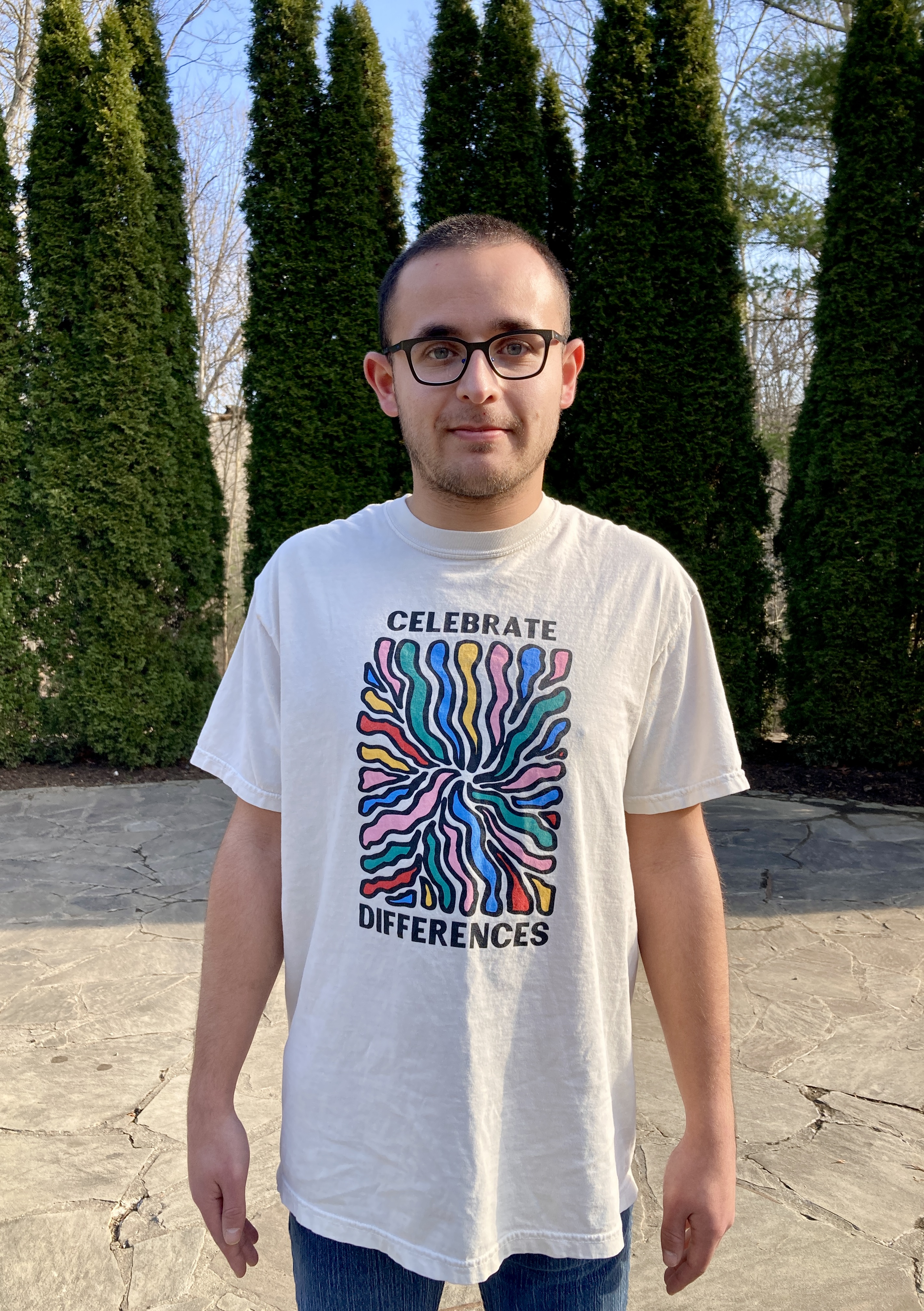
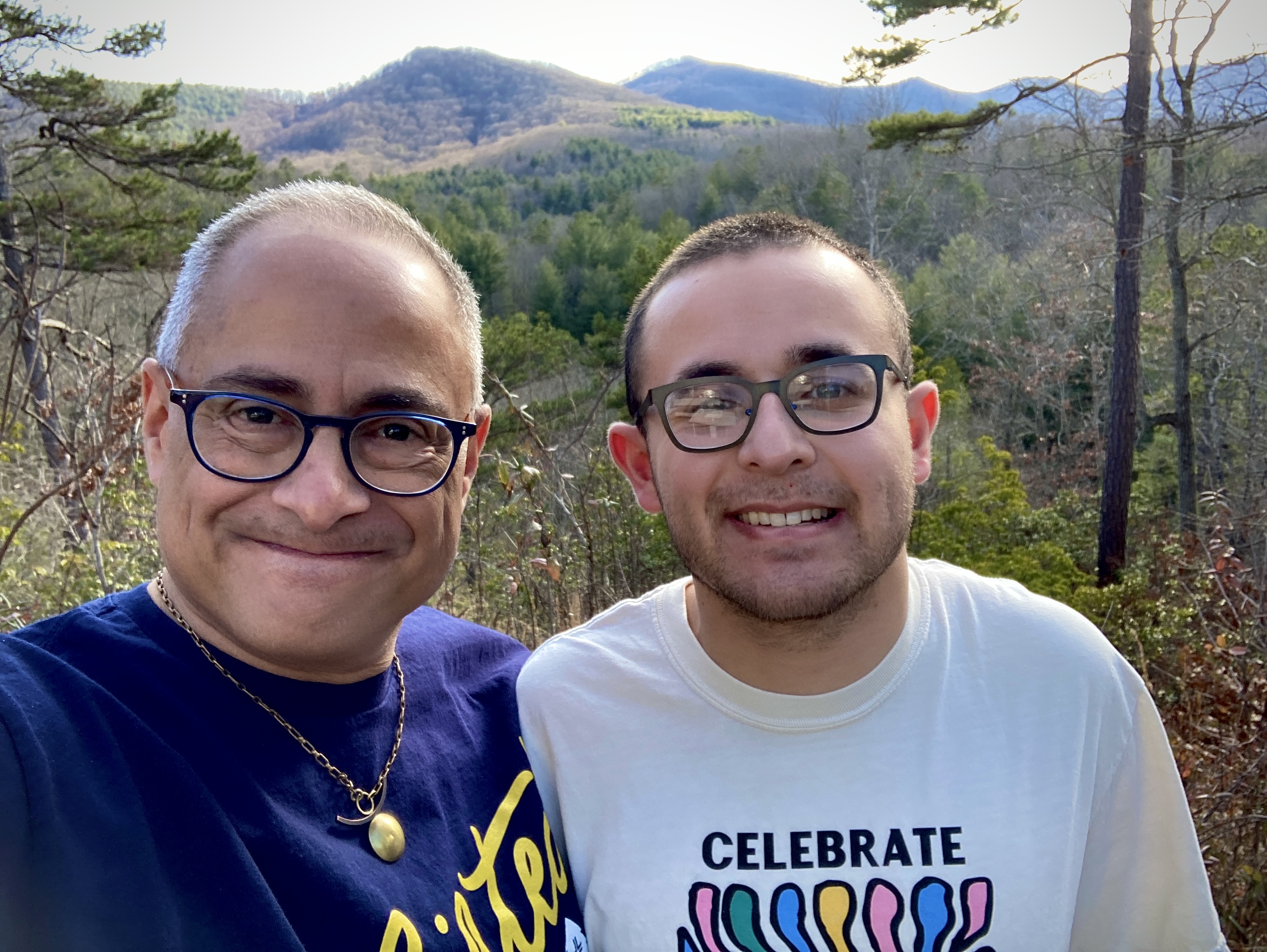
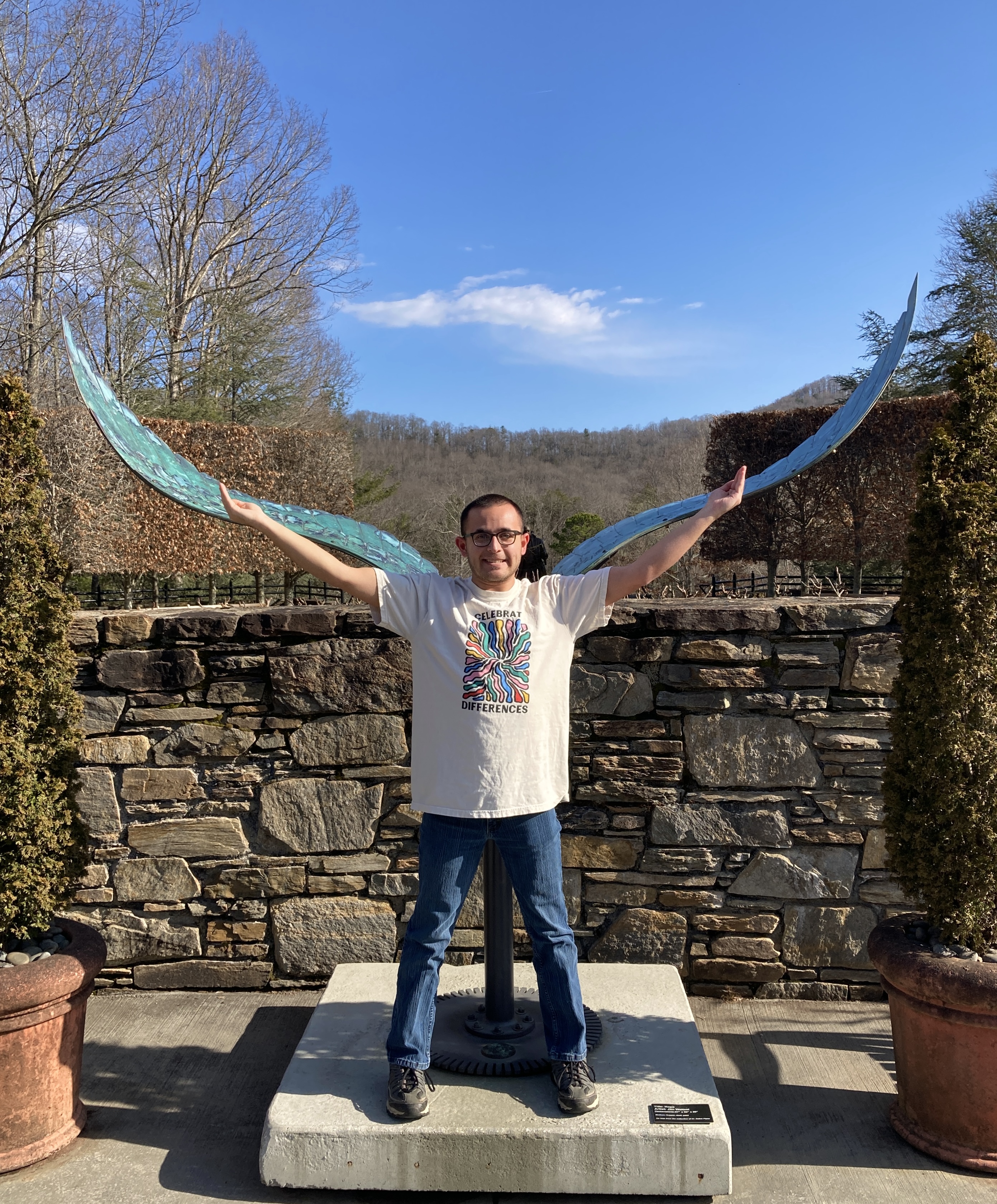
My child’s life tells the story of what can happen when supports and services are made available. It’s not a perfect story, of course, but it’s a good story. Nicholas has had a Medicaid waiver specific to North Carolina—initially called a CAP waiver and now called an Innovations Waiver—since January 2010, when he was 9 years old. Nicholas is autistic and intellectually disabled, with diagnoses of severe mixed expressive-receptive communication disorder, obsessive-compulsive disorder, sensory integration disorder, socialization delay and impairment, and tic disorder. When he received the waiver, he was frequently prone to tantrums and self-harm. He also has a physical disability with severe ulcerative pancolitis. When that onset in 2016, Nicholas lost 25-30 pounds and was hospitalized for a month—he now receives medication infusions for several hours at an infusion center every eight weeks.
At 23, Nicholas has a good life. He volunteers every week both at MANNA FoodBank and at Asheville Buncombe Community Christian Ministry (ABCCM). He works a few hours each week at a paid job at an ice cream shop, Annie B’s Homemade Ice Cream, that has extra support for its workers with disabilities. He has social connections through community groups and therapeutic recreation programs. He swims and shoots hoops at the Y. He goes to camp some summers. He likes to go on walks and hikes, and he’s an impressive juggler. He has a girlfriend, who also is autistic and intellectually disabled.
Nicholas can never live independently without supports. But he is not in an institution, and he is a vibrant, valued, and contributing member of his community. So much of his life is possible because of the services he receives, in combination with a community support circle and, well, me. He has a support worker for several hours each weekday right now—even with the Direct Care Worker workforce crisis—and that helps anchor his well-being and community participation.
Without the Innovations Waiver he received at 9 years old, I truly believe—I know—most of this would not have been possible. I want the possibility of such lives for all our children and adults with significant intellectual and developmental disabilities.
 In the state we live in, North Carolina, roughly 14,000 people receive the Innovations Waiver. It is the state’s primary home- and community-based services support mechanism for people with significant intellectual and developmental disabilities. Several thousand more than that—17,500 people—are on the waitlist for the Innovations Waiver, according to the state’s own Innovations dashboard. So, in North Carolina, we have more people with significant intellectual and developmental disabilities on the waitlist for Innovations Waiver services than receiving them. Of those on the waitlist, roughly one third receive some partial services; two thirds receive no support or services at all. The “wait” usually exceeds a dozen years—and even that timeline is dependent on the state funding additional slots, which is wholly inconsistent.
Some states have much better situations supporting their intellectually and developmentally disabled populations. Some are even worse. Across the country, hundreds of thousands of Americans with intellectual and developmental disabilities are not getting what they need to live decent, safe, and healthy lives in their communities.
When President Biden ran for office four years ago, he said Americans with significant intellectual and developmental disabilities should not be on waitlists for services and supports. They should be receiving them. I have applauded the significant efforts of President Biden and the Biden-Harris Administration to expand home- and community-based services for people with intellectual and developmental disabilities. I deeply appreciate the Administration’s messaging, Executive actions, and commitment to centering intellectually and developmentally disabled people, as well as their caregivers, including both families and care workers.
But it’s not enough: not with hundreds of thousands of people with IDD falling behind and falling through.
Advocates, meanwhile, mostly fight at the margins or fight over crumbs. We can’t even imagine a slice of pie, much less the whole pie.
We lack the imagination and the truly difficult commitment to champion steadfastly—every single day—for every state and the United States to eliminate the waitlists for services for intellectually and developmentally disabled children and adults.
If we don’t fight for it fiercely, no one will. We have to do better and ask more of ourselves. If we accept the current awful reality and play at marginal improvements—and celebrate ourselves when we get that extra crumb or two—it will not fundamentally change for many generations. Instead, it likely will continue to worsen.
We can and should demand correction at both state and federal levels, now. There are different ways to approach it, but the first step has to be agreement that it’s right and necessary.
We know the needed spending is significant. We also know it’s an economic driver—our service and support system heavily involves working-class people who mostly spend their income, spurring economic growth in communities, states, and the country. Much more importantly: we know it’s the right thing according to our consciences—it’s who we want to be as Americans and as a country.
Surely, we all believe in far better circumstance for people with intellectual and developmental disabilities. We want to support families and one another and help take care of our children and adults with significant IDD.
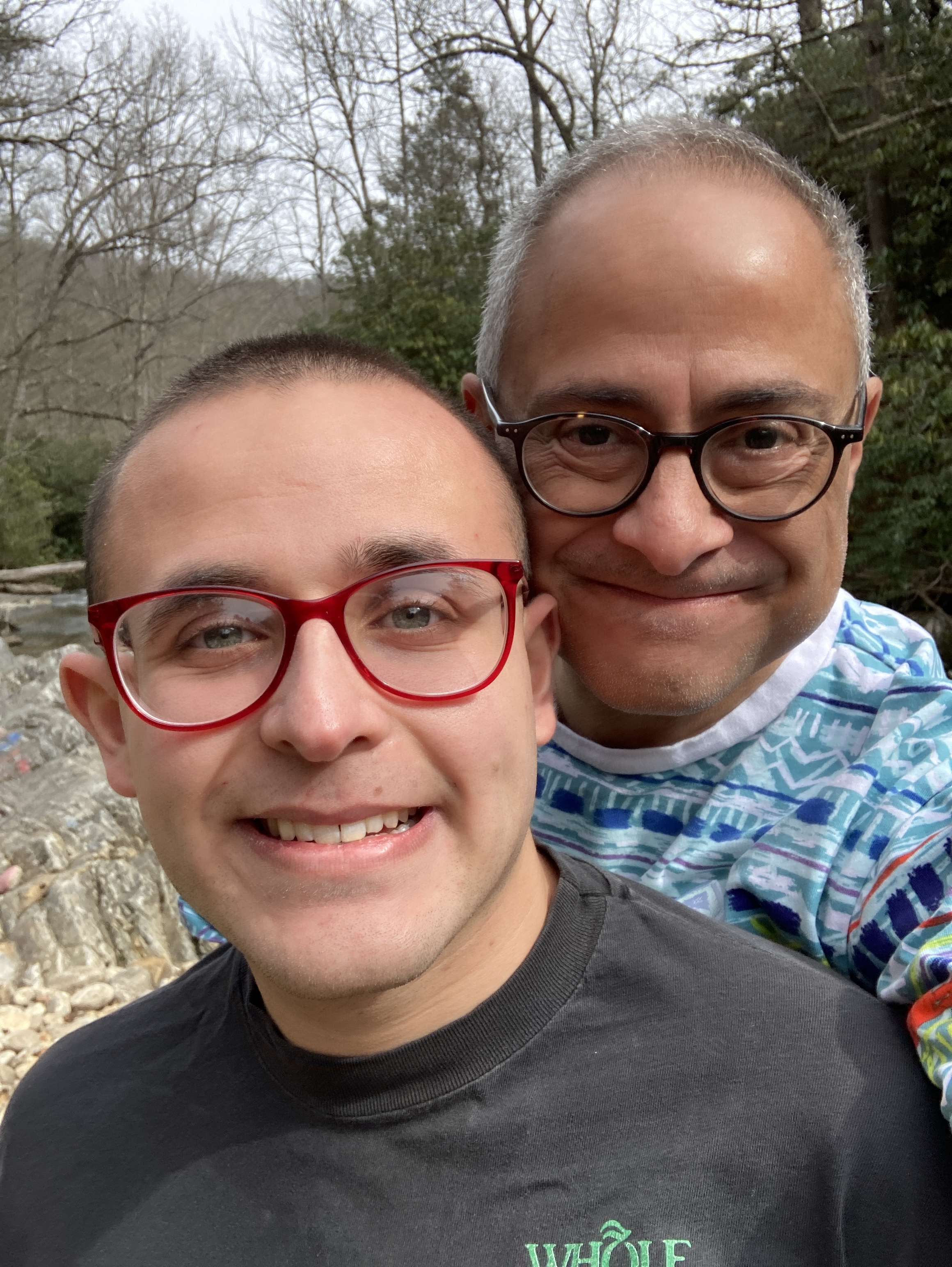 That’s the stand we have to make, every day, every one of us: No more generations of hundreds of thousands of people with IDD living and dying in desperation.
Urgently, we must end all the waitlists for services and community inclusion for Americans with significant intellectual and developmental disabilities—to improve the lives, well-being, and health of every at-risk and marginalized intellectually and developmentally disabled person, because they are an essential part of us.
Surely, at last, we know: They *are* us.
Thank you for reading. Explore some of my articles about autism and intellectual and developmental disability (IDD) on this site, including:
- Autism Adulthood: Caring for the Future and the Present Moment
- Definition as Destiny: Breaking Autistic Boundaries
- Autism and IDD: Caregiving, Advocacy, Community, and Love
- No “Because” but Love—Intellectual Disability, Identity, Representation, and Value
- Poppa, Do You Have Autism?
- Autism Acceptance—and Celebration
- Hammer and Screw: Autism Acceptance and Rejection
- On Blackness and Autism, Identity and Essence
- 7 Values to Live By: Autism Across Schools and Classrooms
- Autism 101: Hating Your Autistic Child
- Accept or Reject: Part one of a series on autism value contrasts
- Autistic Isolation, Connection, and Joy
- My Talk at the 2019 Disability Day of Mourning

